Climate finance: before the next dollar, fund the ability to spend it well
Helping governments create systems and processes isn’t glamorous, but it paves the way for climate finance to really work, we argue in a new report.

Delivery Associates and Social Finance make the case for why government readiness determines where climate finance flows.
World leaders have agreed through the UN COP process that we need $1.3 trillion annually in climate finance for developing countries by 2035.
Scaling up to that will be a mammoth task, but even this huge sum won’t slow global warming or help people adapt to it unless it’s put to good use.
To do that, countries need the right systems and structures in place, and most don’t yet have them.
Right now, helping to remedy that is a good use of funders’ climate cash, Delivery Associates (DA) and Social Finance argue in a new report.
DA helps governments and social impact organizations understand and build systems that drive delivery. Social Finance specializes in helping partners unlock funding through results.
Our report ‘From Commitment to Delivery: Why government readiness determines where climate finance flows’, which you can download here, suggests that those best able to attract funds and use them to bring results need four things:
- A clear strategy with a specific implementation plan
- The ability to deliver on the ground
- Being able to coordinate multiple stakeholders
- Adaptive problem-solving skills
"It's all the mundane stuff," says Sonya Suter, DA's head of sustainability practice. "Do you have clear authority? Do you have the ability to get data, to stay on track, to coordinate across departments, to coordinate with other stakeholders?"
"These are all of the things that it takes to go from a goal to actual delivery."
Climate is complicated
Adapting your country, city, or town to a warmer climate and the extreme weather and sea-level rise that come with it is very difficult.
Climate mitigation — putting less greenhouse gas in the atmosphere — is an even more complicated and long-term mission. Renewable energy and transport electrification projects can easily take up to a decade or more to complete. It’s part of the reason why few countries have set net zero goals before 2050.
Climate is also nearly always politically fraught. Leaders navigate complex systems, juggle the needs of multiple stakeholders and need to balance any goals against wider economic realities.
Perhaps more than in any other field, donors, multilaterals, ministries, the private sector, and others need to work together seamlessly. It’s the strength of the back-office systems, pipelines, and feedback mechanisms that keeps complex projects functioning for years into the future.
Even with the best due diligence, it can be difficult for a funder to know exactly what those systems need to look like on the ground.
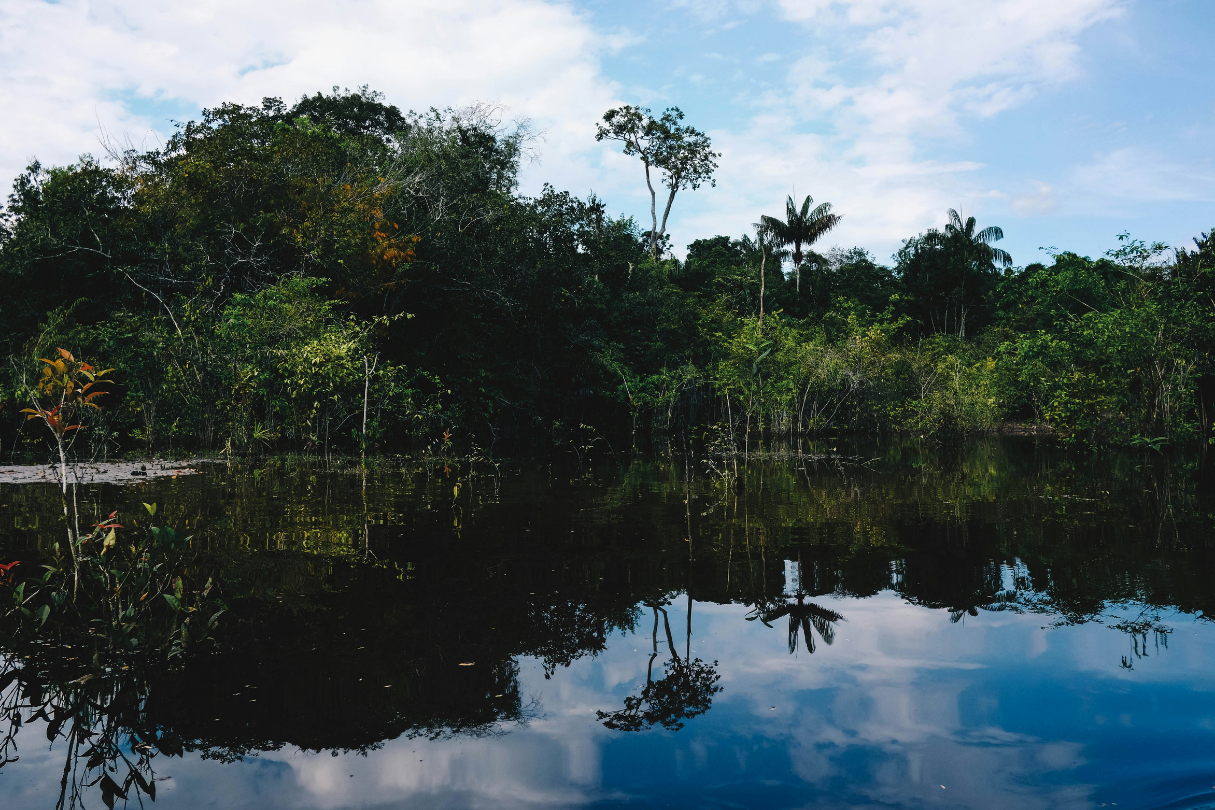
Having these things in place makes a huge difference. Brazil’s Amazon Fund disburses payments based on satellite proof of reduced deforestation. It’s a great example of a country successfully pooling multiple sources of international funding through its own national systems. One reason Brazil can do that is the quality of its underlying climate finance architecture.
Inspiration beyond climate
It’s worth looking for inspiration beyond climate. In this report we show how long-term capacity-building has helped governments with a wide range of projects, including some to which we’ve contributed.

For example, DA has worked with the Bahamas to help the island nation prepare better for hurricanes. Simple interventions and processes we helped the government put in place ahead of hurricane season prompted one official to tell us: ‘For the first time in more than 20 years… [I was] called to a meeting on natural disasters without a hurricane having occurred.’
Similarly, when Cameroon decided to adopt a WHO-recommended playbook designed to cut neonatal mortality by a third, Social Finance helped put in place the financial and data-reporting architecture needed to access international funds.
We show in our report that countries proven to deliver tend to receive more money.
Once they have these conditions in place, when climate finance does arrive, they can really make it count. We believe that getting them ready for that first is a great use of anyone’s money.
Read the full report
Download the full report here.
Interested in Learning More?
Partner with Delivery Associates to turn your boldest goals into measurable, lasting outcomes. Let's explore how we can create impact—together.
In a world of data overload, a small team at Delivery Associates is building a framework to turn metrics into meaning and support real-time learning.