Protecting the Most Vulnerable During a Crisis
The Ehsaas programme was developed at a crucial time, when COVID-19 pushed millions of people below the poverty line and particularly affected the poorest populations’ health and economic wellbeing.
Developing a cash-based transfer programme involved multiple problems in both design and implementation. When the programme was established, the government faced questions and skepticism from within, from the opposition party and from residents.
DA partnered with the Government of Pakistan, building trust and providing support to ensure successful implementation.

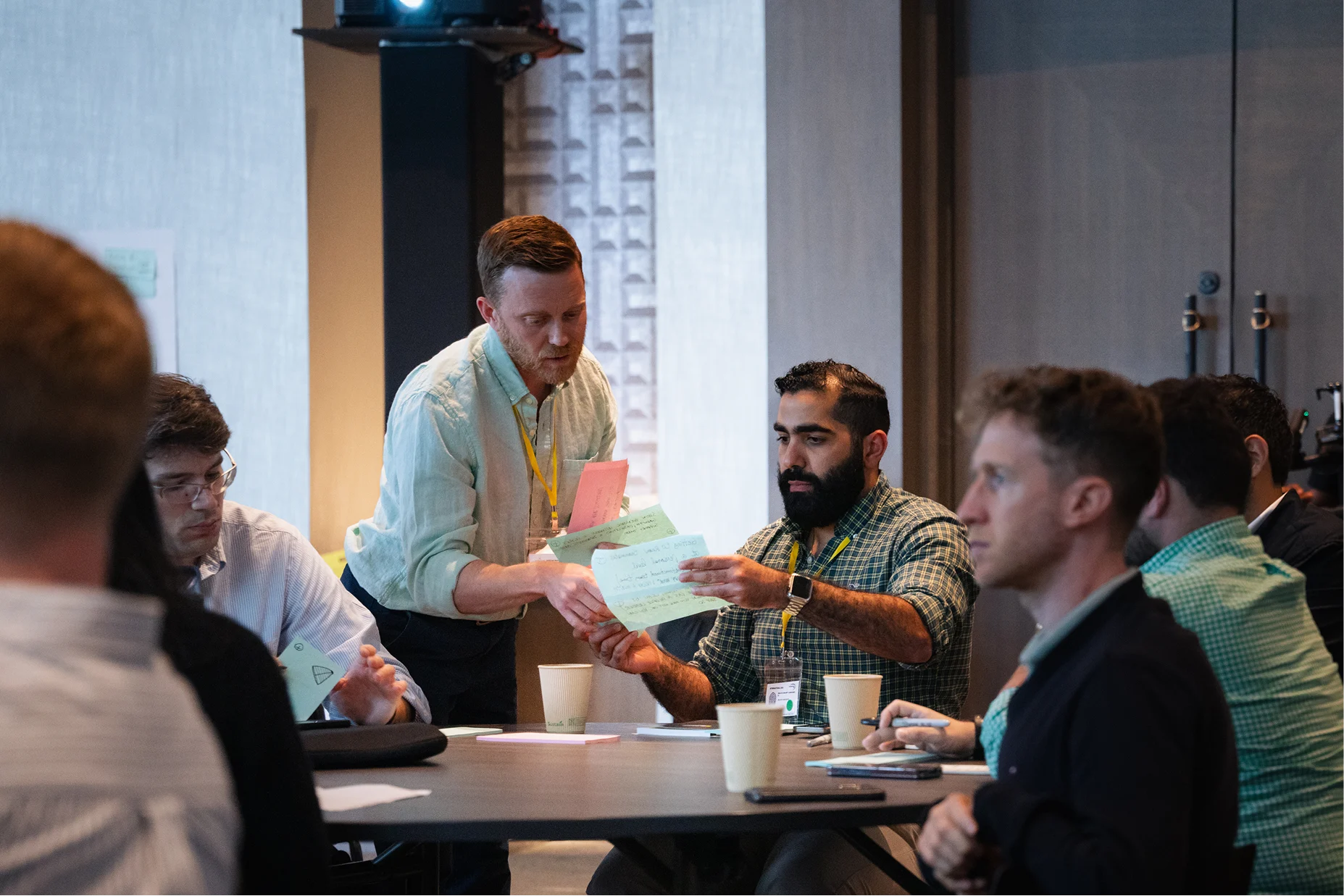
DA conducted interviews with over thirty stakeholders, including government employees, staff from international organizations, and banking officials. The goal of the interviews was to understand different perspectives, cross-validate stakeholders’ perceptions and develop practical recommendations on the ground. Following the interviews, DA mapped the entire delivery chain to support a clear definition of the strategy, uncover potential risks and identify implementation problems.
The World Bank recognises Ehsaas Emergency Cash among top social protection responses to COVID.
This work provided leadership with a clear view of where operations were effective, and where there were opportunities for even greater efficiency and impact.
The exercise also brought poverty alleviation to the front of the political debate, involving multiple ministries, other parties and international organizations.

Let’s work together to make change happen.