Empowering Leaders in Rwanda to Deliver on National Health Priorities

PARTNER
Rwanda Ministry of Health
PEOPLE
SUMMARY
To accelerate progress on national health priorities, Rwanda’s Ministry of Health partnered with Delivery Associates to co-create a tailored learning and development program that strengthened health leaders’ ability to deliver on five key priorities. More than 40 senior leaders took part, building skills and momentum that contributed to notable progress on two national health priorities.
OFFERING
Measurement & Evaluation
Program Management
Program Management

The Ministry of Health in Rwanda recognized the need to strengthen leadership capabilities to accelerate progress on national health priorities. Delivery Associates partnered with the Ministry and key institutions to design and deliver a comprehensive program focused on leadership development and delivery support. Through a combination of retreats, coaching, and hands-on collaboration, DA helped build a stronger culture of delivery, supported implementation planning for high-impact priorities, and laid the foundation for more sustainable, results-driven governance.

Context

Real-world challenges: Despite Rwanda’s progress in strengthening its health system, leaders across the sector faced challenges turning national priorities into consistent, measurable results. Inconsistent coordination processes and use of data to target delivery efforts were hindering progress on critical goals like improving availability of essential medicines and improving Human Resources for Health (HRH) distribution at district hospitals.  

The Ministry of Health recognized that addressing these gaps required a focused investment in supporting leaders and fostering a stronger culture of delivery to drive long-term impact.

DA Approach

DA began by conducting a robust review of the health sector through document reviews, interviews with health leaders, and by conducting surveys to identify strengths and areas for improvements in delivering on the sectors’ priorities.  

The findings informed the development of a structured program designed to equip leaders with practical tools and frameworks. Key components included:

  • Leadership Retreats: Anchored the program and aligned leaders around priorities and progress tracking.
  • Knowledge Sharing: Provided a learning platform for mid-level leaders to engage with tools and each other.
  • Coaching Sessions: Delivered monthly to senior leaders, focusing on real-world delivery challenges.
  • Priority Delivery Support: Hands-on collaboration with teams working on five selected priorities.

Implementation

DA supported the Ministry through a two-pronged approach: Structured Learning and Delivery Support. Key activities included:

  • 3 Leadership Retreats that set and reviewed five sector priorities and drove planning and implementation phases.
  • 7 Coaching Rounds for 42 senior leaders, offering space for reflection and practical problem solving.
  • 2 Knowledge Sharing Sessions with high levels of engagement from the targeted mid-level leader’s cohort.
  • Delivery Support on Five Priorities, including root cause analyses, intervention prioritization, delivery planning and routines to follow through to action.  
  • Set up of a ministerial priority tracking team, chaired by the Minister of State’s Office to track sector wide priorities and provide the support needed to fast track delivery.  

Impact

  • The structured learning program prompted real shifts in leadership behavior and alignment on priorities.
  • Two priorities – reducing stockout of medicines and institutional maternal mortality – gained significant traction, driven by strong ministerial leadership.
  • DA tools and frameworks were adopted across institutions, with leaders requesting a delivery unit to be formed at the Ministry of Health
  • A sector-wide coordination and tracking team was established and trained to strengthen leadership reporting, problem solving and decision-making.

This work leaves behind stronger institutional foundations, clearer delivery practices, and a growing community of health leaders equipped to sustain results.

DOWNLOAD(S)
SECTOR(S)
Government Effectiveness
Health
DEPARTMENT(S)
No items found.
Stay Connected
Join a growing community of public sector practitioners making change happen all over the world.
I agree to receive communications from Delivery Associates. View our Privacy Policy.
Thank you! Your submission has been received!
Oops! Something went wrong while submitting the form.
Building the Economy of the Future
Delivery Associates is working with the Walton Family Foundation and Blue Meridian Partners to strengthen cradle to career education and workforce pathways.
building-the-economy-of-the-future-cradle-to-career-education-and-workforce-pathways
Ensuring Every Dollar Spent on Education Benefits Students
The Puerto Rico Department of Education (PRDE) was recovering from the losses Hurricanes Maria and Irma caused. DA helped by defining and organizing criteria for federal allocation of support and by identifying opportunities to save resources and distribute them in high-need areas.
restart-program-puerto-rico
Transforming Public Services in Pakistan
A decade-long consistent application of the delivery approach has helped the government of Punjab build the infrastructure required for improved public services, while also building a foundation for improved governance and citizen outcomes.
public-services-pakistan
Case Study

Empowering Leaders in Rwanda to Deliver on National Health Priorities

Summary
DATE
Feb 2022
Project Lead(s)
Partner
Rwanda Ministry of Health
Services
Recognizing that stronger leadership was essential to accelerating national health priorities, Rwanda’s Ministry of Health set out to equip leaders across the institution with the skills needed to deliver results.
Through retreats, coaching, and hands-on collaboration, DA helped strengthen the culture of delivery, advance planning for high-impact priorities, and establish the foundation for more sustainable, results-driven governance.
Context

Between 2018 and 2024, Rwanda’s Ministry of Health implemented the Fourth Health Sector Strategic Plan (HHSP4), prioritizing improved access to quality of public health services for all citizens as a key objective.  

Despite Rwanda’s progress in strengthening its health system, leaders across the sector faced challenges turning national priorities into consistent, measurable results. Inconsistent coordination processes and limited use of data to target delivery efforts were stalling progress on critical goals like improving availability of essential medicines and improving Human Resources for Health (HRH) distribution at district hospitals.  

The Ministry of Health recognized that addressing these gaps required a focused investment in supporting leaders and fostering a stronger culture of delivery to drive long-term impact.

The DA Approach

In early 2022, DA began by working side by side with Rwanda’s Ministry of Health to understand the system from within, gaining a clear view into the delivery challenges and opportunities leaders and teams faced. By spending time within the Ministry and collaborating directly with leaders, DA was able to ground its support in the real rhythms, challenges, and opportunities of Rwanda’s health system.

At the outset, DA conducted a comprehensive capacity review to better understand how Rwanda’s health system was functioning and where additional support could strengthen delivery. This diagnostic drew on interviews with 20 senior leaders, a survey with 43 leaders across the sector, and a review of 21 strategic documents. The assessment highlighted strong foundations in shared aspirations, understanding of delivery issues, planning, communication, and partnerships, while also revealing gaps in data usage, the effectiveness of routines, proactive problem-solving, and consistent planning and implementation. These insights shaped a targeted leadership development program tailored to the Ministry’s day-to-day realities and laid the groundwork for the implementation support that followed.
Real-World Solutions

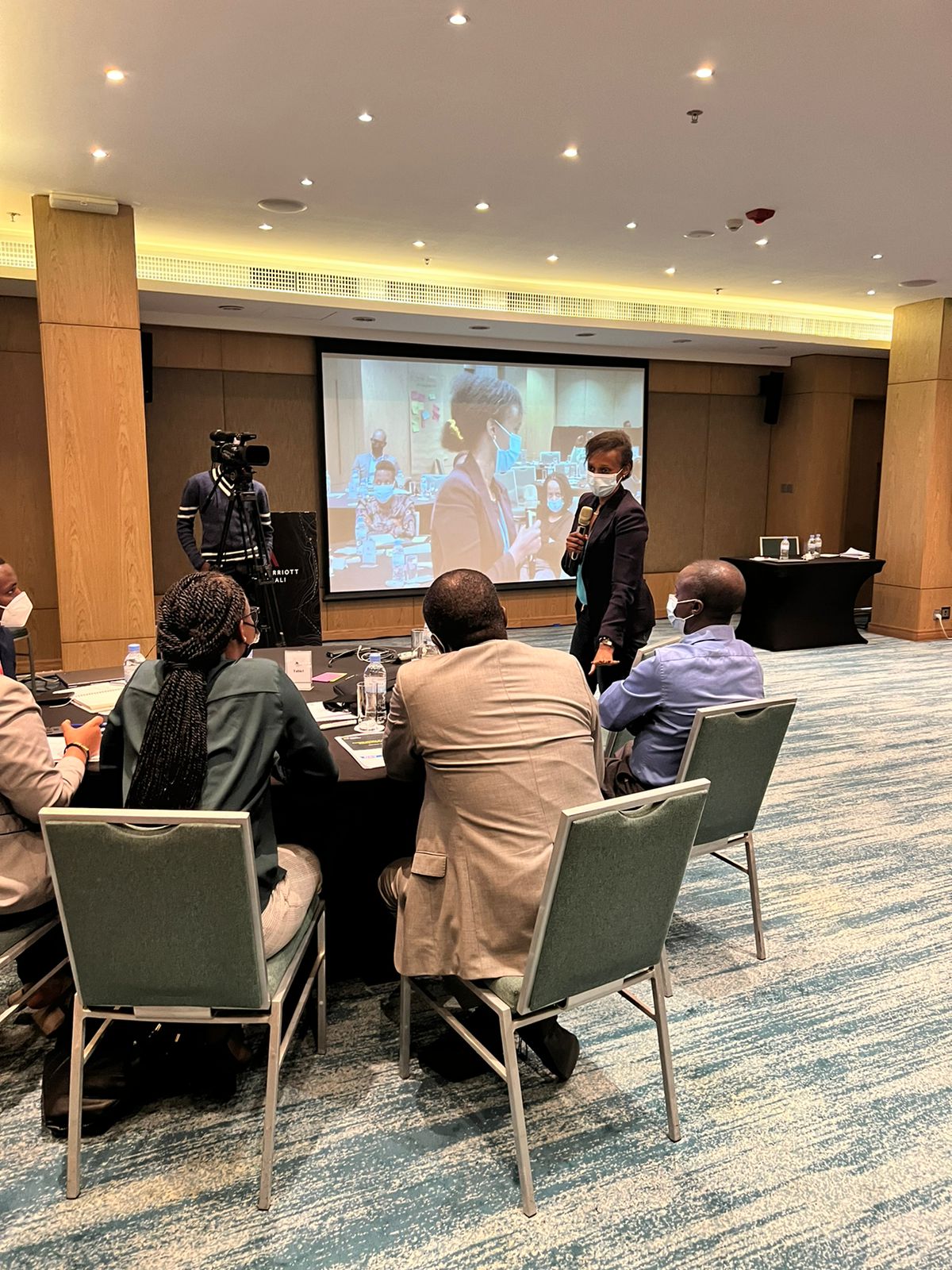
Once the leadership development program was designed, DA worked closely with the Ministry to bring it to life through a blend of structured learning and hands-on delivery support. Three leadership retreats anchored the experience, bringing senior leaders together to align on the five national health priorities and chart the path from planning to implementation. These retreats were complemented by seven rounds of monthly coaching for 42 senior leaders, offering space for reflection and practical problem-solving rooted in the real delivery challenges they were facing. Mid-level managers also participated in two knowledge-sharing sessions, which created a collaborative learning platform for exchanging experiences and deepening understanding of delivery practices across the sector.

Alongside the structured learning, DA worked shoulder to shoulder with Ministry teams to help translate new skills into day-to-day action. This hands-on delivery support focused on the five selected priorities and included root cause analyses to diagnose problems, prioritization of interventions, development of delivery plans, and the establishment of clear routines to follow through on implementation. By working directly with teams as they tackled live challenges, DA helped embed delivery practices into the fabric of how work happened across the Ministry.

To sustain momentum and support long-term accountability, DA also helped establish a ministerial priority tracking team, chaired by the Office of the Minister of State. This team now plays a central role in monitoring progress on sector-wide priorities, addressing bottlenecks quickly, and ensuring leaders have the information and support they need to fast-track delivery. Together, these efforts created a stronger, more connected delivery system capable of driving Rwanda’s health priorities forward.

Our Impact
  • Strengthened the culture of delivery: The structured learning program resulted in tangible shifts in how leaders set priorities, track progress, and collaborate across the Ministry.
  • Accelerated progress on two national priorities: Strong ministerial leadership led to notable advances in reducing medicine stockouts and institutional maternal mortality.  
  • Rwanda’s Ministry of Health adopted delivery tools and practices: DA tools and frameworks were adopted across institutions, with leaders requesting the establishment of a dedicated delivery unit within the Ministry of Health.
  • Improved coordination and decision-making: A sector-wide coordination and tracking team was formed and trained to strengthen reporting, problem solving, and evidence-based decision-making across leadership.  
  • Built lasting delivery capacity within the Ministry: The work left behind stronger institutional foundations, clearer delivery practices, and a growing community of health leaders equipped to sustain and scale results.
Team Members
Ready to deliver on your goals?

Let’s work together to make change happen.

DA Icon b