Reducing Gun Violence in American Cities

PARTNER
City of Louisville
PEOPLE
SUMMARY
A diverse coalition in the City of Louisville, Kentucky came together to allocate American Rescue Plan (ARP) funding towards a comprehensive and evidence-based plan to reduce gun violence.
OFFERING
No items found.

The American Rescue Plan (ARP) community violence intervention funding represented a once-in-a-generation opportunity for cities. A coalition of leaders from across Louisville Metro government, the local community, and the political spectrum to develop a data-driven, consensus-based plan for leveraging those funds.

REAL-WORLD CHALLENGES

Like many cities, Louisville has historically invested in violence mitigation (e.g., policing). However, many members of the coalition wanted to pursue violence prevention strategies—social and economic investments that would address the issue more holistically, but also likely take years to show impact. The coalition had the difficult task of balancing short-term interventions to save lives now with long-term strategies to address root causes—and the deadline for applying for ARP funding was coming up fast. The compressed timeline was even more stressful given that gun violence is a compounded issue, and Louisville’s Black community suffers disproportionately from violence due to systemic racial inequity. The coalition wanted to ensure that its collaboration dynamic did not fall into patterns that might be harmful to the communities it hoped to serve.

REAL-WORLD SOLUTIONS

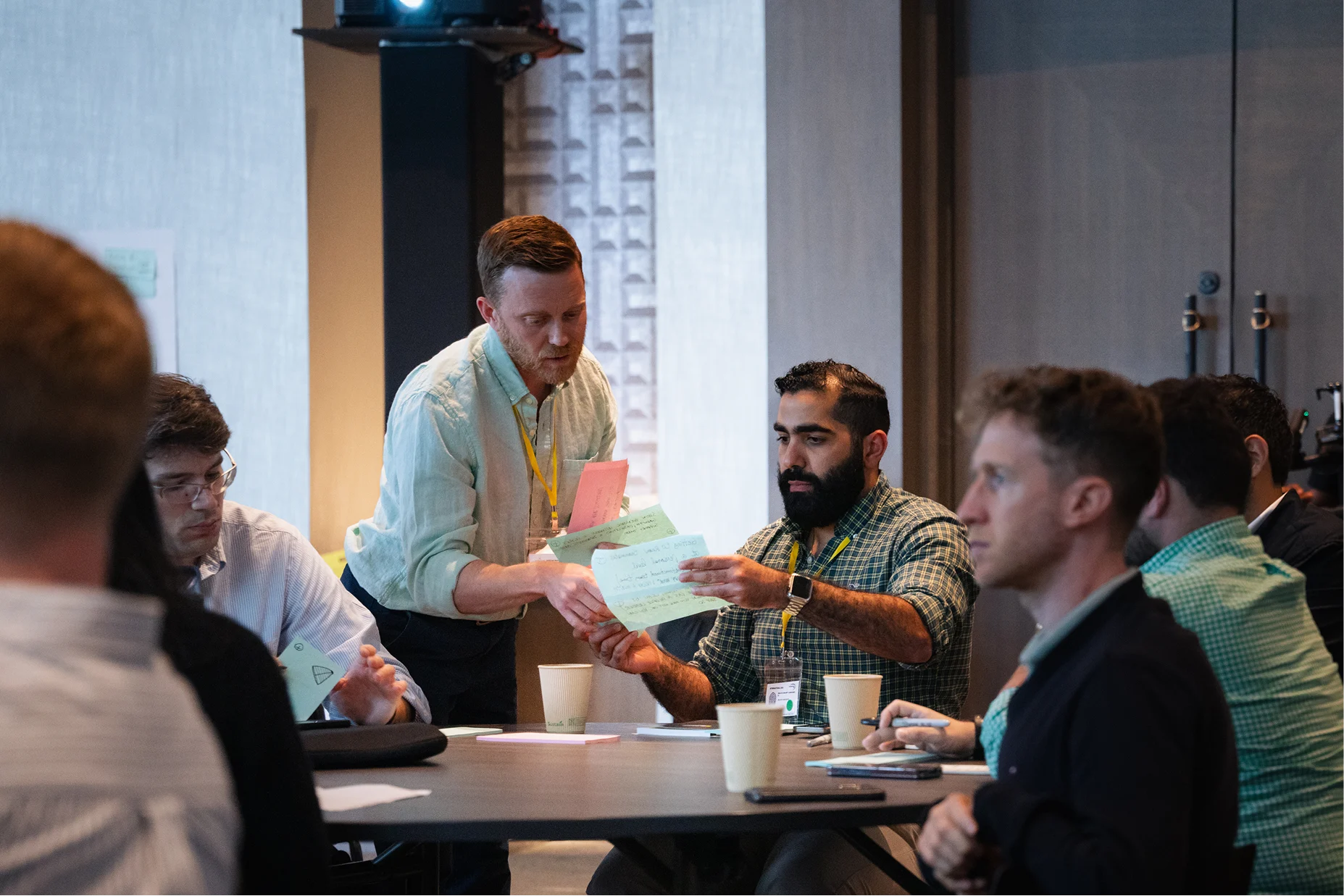
DA supported the group by serving as a 3rd party facilitator, meeting every other week for 6 months to help the coalition work efficiently towards a highly ambitious plan. Key strategies included:

  • Pivoting to in-person. Members of the coalition struggled to articulate their frustrations and fully engage during the first few virtual workshops, particularly when it came to sensitive and personal topics like race. Shifting to in-person workshops allowed the group to have the tough but necessary conversations together that cleared the air, built trust, and achieved collective responsibility from the group.
  • Leveraging existing efforts: Louisville’s Office of Safe & Healthy Neighborhoods (OSHN) was run by Dr. Monique Williams—a doctor of public health with years of experience in gun violence prevention and intervention. The group was able to lean heavily on her expertise—and her existing plan. It became evident that the violence reduction plan developed by Dr. Williams and the OSHN was already evidence-based and comprehensive; it didn’t need to be rewritten, it needed to be funded. This realization allowed the coalition to pivot its focus from design questions to funding questions, ie: “How can we make sure Metro city council will approve this?”
  • Building credibility through collaboration: Louisville’s Metro Council emphasized that the wide-ranging composition and deep collaboration were critical to its decision to fund the proposal. Louisville plans to take a similar approach to other issues in the future to build political support.
RESULTS
  • Louisville’s Metro Council approved the coalition’s proposal, allocating nearly $43M to public safety reforms through ARP. 
  • Of that, $15.8M was for the Office of Safe and Healthy Neighborhoods, the city's key implementer for violence prevention programs.
  • The Louisville Police Department has since reported a 16% reduction in violence and 40% reduction in shootings in Louisville.
  • With the coalition’s success providing proof of concept, the City has continued to engage community leaders into Metro Government policy development and has developed a complex stakeholder management strategy to pass policies.
“I've been in meetings where you just simply get stuck and stop making progress. It was absolutely crucial to have that third party facilitator to keep the conversation moving. It unstuck us.”

– Keith Talley, Former Chief of Community Building, Louisville Metro Government

DOWNLOAD(S)
SECTOR(S)
Government Effectiveness
Health
DEPARTMENT(S)
No items found.
Stay Connected
Join a growing community of public sector practitioners making change happen all over the world.
I agree to receive communications from Delivery Associates. View our Privacy Policy.
Thank you! Your submission has been received!
Oops! Something went wrong while submitting the form.
Building the Economy of the Future
Delivery Associates is working with the Walton Family Foundation and Blue Meridian Partners to strengthen cradle to career education and workforce pathways.
building-the-economy-of-the-future-cradle-to-career-education-and-workforce-pathways
Ensuring Every Dollar Spent on Education Benefits Students
The Puerto Rico Department of Education (PRDE) was recovering from the losses Hurricanes Maria and Irma caused. DA helped by defining and organizing criteria for federal allocation of support and by identifying opportunities to save resources and distribute them in high-need areas.
restart-program-puerto-rico
Transforming Public Services in Pakistan
A decade-long consistent application of the delivery approach has helped the government of Punjab build the infrastructure required for improved public services, while also building a foundation for improved governance and citizen outcomes.
public-services-pakistan
Case Study

Reducing Gun Violence in American Cities

Summary
DATE
Project Lead(s)
No items found.
Partner
City of Louisville
Services
No items found.
Context

Like many cities, Louisville has historically invested in violence mitigation (e.g., policing). However, many members of the coalition wanted to pursue violence prevention strategies—social and economic investments that would address the issue more holistically, but also likely take years to show impact. The coalition had the difficult task of balancing short-term interventions to save lives now with long-term strategies to address root causes—and the deadline for applying for ARP funding was coming up fast. The compressed timeline was even more stressful given that gun violence is a compounded issue, and Louisville’s Black community suffers disproportionately from violence due to systemic racial inequity. The coalition wanted to ensure that its collaboration dynamic did not fall into patterns that might be harmful to the communities it hoped to serve.

The DA Approach
Our Impact
  • Louisville’s Metro Council approved the coalition’s proposal, allocating nearly $43M to public safety reforms through ARP. 
  • Of that, $15.8M was for the Office of Safe and Healthy Neighborhoods, the city's key implementer for violence prevention programs.
  • The Louisville Police Department has since reported a 16% reduction in violence and 40% reduction in shootings in Louisville.
  • With the coalition’s success providing proof of concept, the City has continued to engage community leaders into Metro Government policy development and has developed a complex stakeholder management strategy to pass policies.
“I've been in meetings where you just simply get stuck and stop making progress. It was absolutely crucial to have that third party facilitator to keep the conversation moving. It unstuck us.”

– Keith Talley, Former Chief of Community Building, Louisville Metro Government
Team Members
Ready to deliver on your goals?

Let’s work together to make change happen.

DA Icon b
No items found.